Blog Overview
This article compares website building platforms and website development options that small businesses can consider in 2027. It covers ease of use, design flexibility, e-commerce features, scalability, and practical costs. The comparison starts with Metaclosys, followed by established platforms, and includes verified industry figures to help readers make an informed choice.
Best Website Building Platforms for Small Businesses 2027
Which website building platforms are best for small businesses in 2027? The right choice depends on what you need your website to do. WordPress is a flexible option for content-rich websites, Wix offers an accessible visual editor, and Shopify is designed for online stores. Businesses that need a more tailored design, integrations, or lead-generation features can also work with a development agency such as Metaclosys.
A good website should do more than look attractive. It should load quickly, work well on mobile devices, help customers find information, and make it easy to contact your business or buy your products.
What Are the Best Website Building Platforms for Small Businesses?
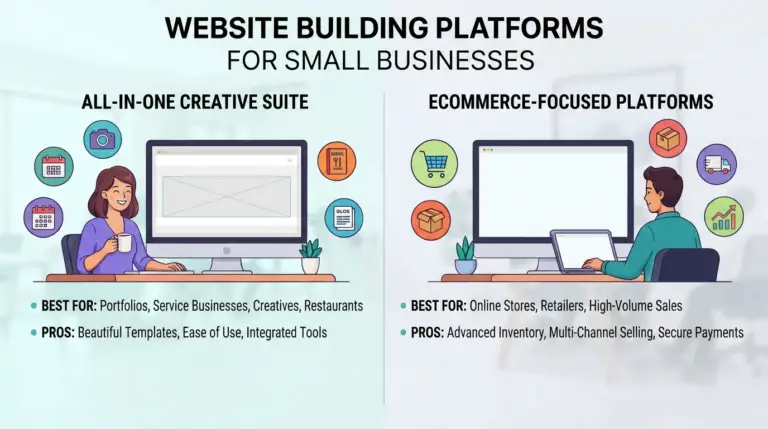
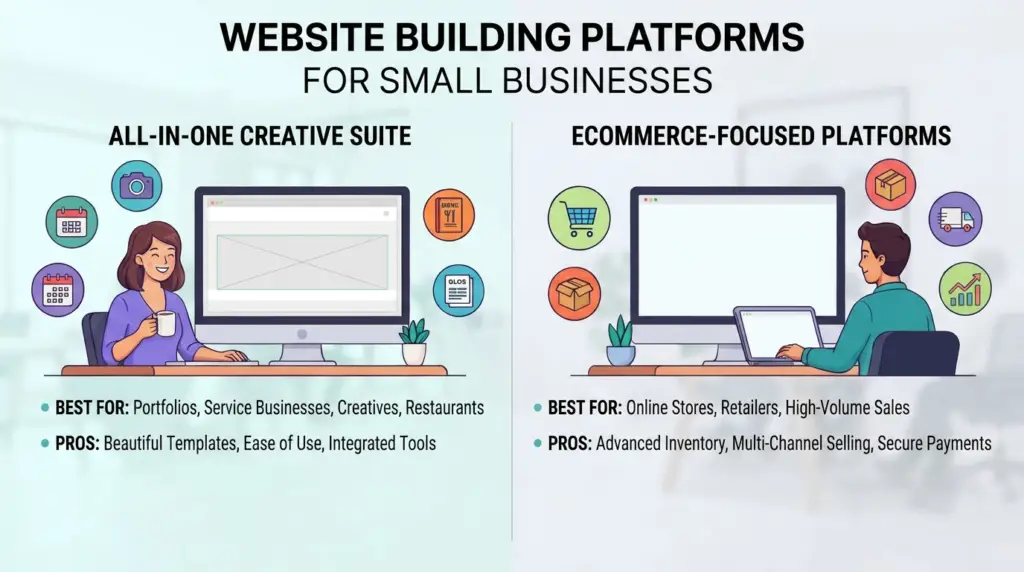
The best website building platform is one that matches your budget, technical skills, business model, and plans for growth. Here are three options and one custom development route to consider. The percentages in the table show each technology's share of all websites tracked by W3Techs, not customer satisfaction or business performance.
Source: W3Techs
These figures are a snapshot of platform usage in November 2026. They help show how widely technologies are used, but they do not tell you which one will generate the most leads or sales for your business.
1. WordPress: Best for Flexible Business Websites
WordPress is a popular content management system for businesses that want control over their website structure and content. It supports business websites, blogs, service pages, portfolios, and online stores through themes and plugins.
Small businesses can use WordPress to publish articles, create landing pages, add contact forms, and connect tools such as analytics and booking systems. WooCommerce can also add e-commerce functionality.
Its flexibility is a major advantage, but it comes with responsibilities. You may need to manage hosting, updates, backups, security, and plugin compatibility. Businesses without technical experience can work with a developer to handle these tasks.
Best for: Businesses that want content flexibility, SEO control, and room to expand.
2. Wix: Best for Beginners and Service Businesses
Wix is a hosted website builder that allows users to create websites through a visual editor. It offers templates and built-in tools for business websites, portfolios, appointment bookings, and online stores.
A small service business can use Wix to display its services, publish contact information, collect inquiries, and manage bookings. Its visual editing experience can make basic website updates easier for business owners who do not want to work with code.
However, businesses with complex functionality or highly specific integrations should review the platform's capabilities before committing.
Best for: Beginners, freelancers, and small service businesses that need a straightforward website.
3. Shopify: Best for Small E-Commerce Businesses
Shopify is designed for businesses that sell products online. It provides tools for product management, checkout, payments, order processing, and inventory management.
A small retailer can use Shopify to create product pages, manage orders, and organize its online store without building an e-commerce system from scratch. Additional apps can extend its functionality for marketing, customer service, and store operations.
Shopify is primarily focused on commerce, so it may not be the most suitable choice for a business that only needs a simple informational website.
Best for: Retailers, product-based startups, and businesses planning to sell online.
What Features Should Small Businesses Look for in a Website Builder?
Before choosing a platform, check whether it supports the features your business needs now and may require later.
Mobile-Friendly Design
Your website should adapt to different screen sizes. Customers must be able to read content, navigate pages, and complete forms easily on smartphones and tablets.
SEO Features
Look for editable page titles, meta descriptions, clean URLs, image alt text, XML sitemap support, and control over headings. These features help you manage important on-page SEO elements.
Website Speed and Security
A platform should support reliable hosting, SSL protection, image optimization, and performance improvements. Regular updates and secure configurations are also important.
Lead Generation and Integrations
For service businesses, contact forms, appointment booking, live chat, CRM connections, and call-to-action buttons can turn website visitors into potential customers.
Scalability
Consider whether the platform can support new pages, additional services, more products, or integrations as your business grows. Changing platforms later can require redesign work and careful URL migration.
How Should You Choose the Right Website Building Platform?
Start by identifying your main website goal. A local service company may need service pages and quote forms, while an online retailer needs product management and secure checkout.
Next, compare the platform's total cost. Include hosting, subscriptions, premium themes, plugins, apps, maintenance, and professional development if required.
Finally, test the editing experience and review the platform's SEO, security, and integration options. Do not choose a builder only because it is easy to launch. Make sure it can support the customer experience and business results you want.
How Metaclosys Helps Small Businesses Build Better Websites
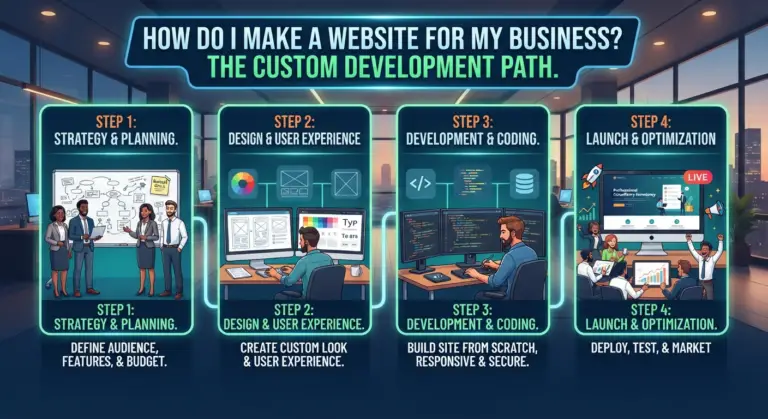
Sometimes a ready-made website builder is not enough. A business may need a distinctive design, custom functionality, better lead capture, or integrations that match its daily operations.
Metaclosys helps businesses plan and develop websites around their brand, customers, and goals. Its website development services include custom design, mobile-first layouts, SEO foundations, WordPress or custom CMS options, lead forms, booking features, and integrations.
For example, a law firm may need practice-area pages and consultation forms, while a salon may need service menus and appointment booking. An e-commerce business may require product management and secure checkout.
If your website needs more than a basic template, explore Metaclosys website development services to see how a tailored website can support your business.
Conclusion
The best website building platforms for small businesses in 2027 depend on the type of website you want to create. WordPress offers flexibility and content management, Wix makes visual website creation accessible, and Shopify provides dedicated e-commerce tools. Metaclosys is another option for businesses that need custom website design, integrations, and development support.
Before deciding, compare each option's features, ongoing costs, SEO controls, and ability to grow with your business. The right website should make it easier for customers to understand your services, trust your brand, and take the next step.
Frequently Asked Questions
1. What is the best website building platform for a small business?
WordPress, Wix, and Shopify are popular options, but the best choice depends on your needs. WordPress suits flexible content websites, Wix is useful for beginners, and Shopify is designed for online stores.
2. Can I build a small business website without coding?
Yes. Platforms such as Wix, Shopify, and WordPress offer themes, visual editors, and tools that allow users to create websites without writing code. More advanced custom features may require a developer.
3. Which website builder is best for SEO?
WordPress offers extensive SEO customization through plugins and direct control over website content. Wix and Shopify also provide SEO features. Results depend on technical setup, content quality, website performance, and ongoing optimization.
4. Is Shopify better than WordPress for an online store?
Shopify provides built-in e-commerce tools and managed hosting, making it convenient for online stores. WordPress with WooCommerce offers more customization but may require additional setup and maintenance.
5. When should a small business choose custom website development?
Custom development may be suitable when a business needs unique functionality, tailored integrations, advanced lead-generation features, or a design that standard templates cannot provide.